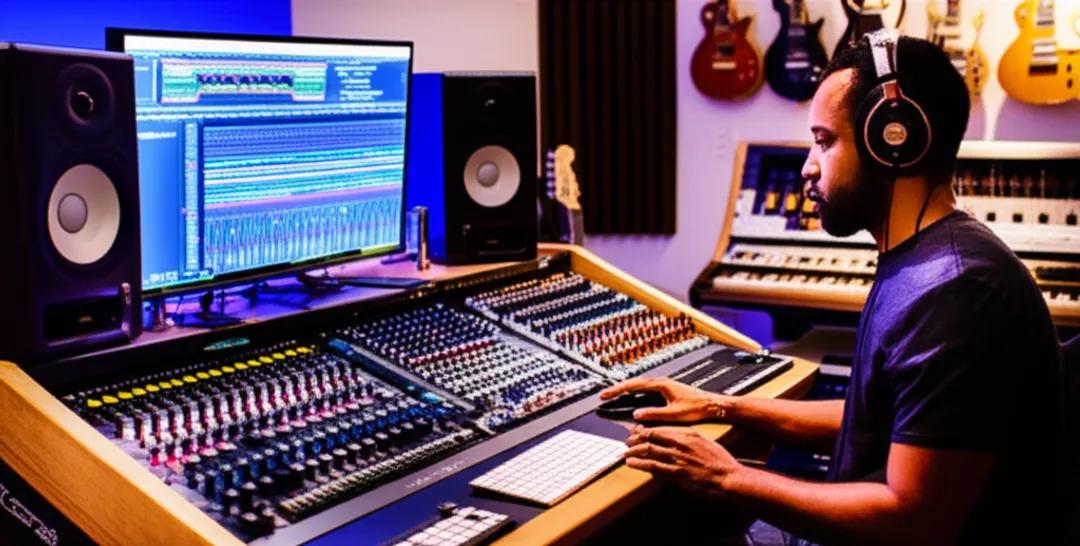
10 Skills Freelance Music Producers Need to Make Money from Home
Introduction
The freelance music production landscape is booming. More creators than ever are turning their passion for music into a sustainable income from the comfort of their home studios. But succeeding as a freelance music producer requires more than just technical ability — it demands a diverse arsenal of skills covering business, marketing, client relations, and more.
Mastering the right skills not only helps you deliver high-quality music but also builds a professional brand, attracts clients, and optimizes your workflow. This guide unpacks the 10 essential skills freelance music producers need to make money from home and grow a thriving music production business.
1. Freelance Music Producers Skills: Technical Proficiency in DAWs
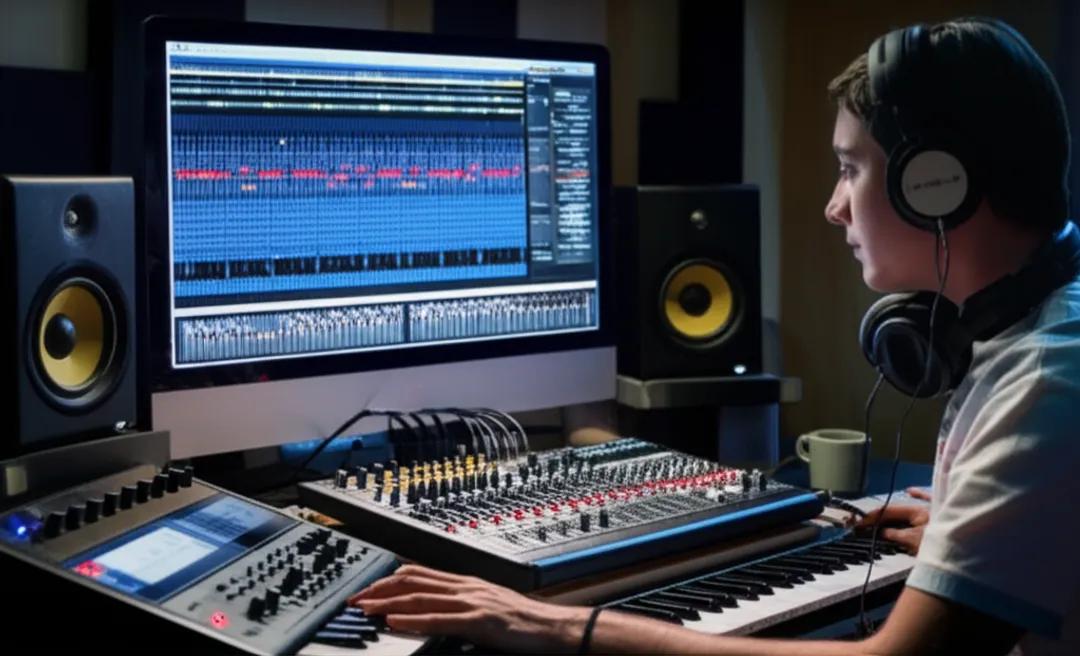
At the heart of every freelance music producer’s toolkit is their proficiency with Digital Audio Workstations (DAWs). Mastery of popular DAWs like Ableton Live, FL Studio, and Logic Pro is fundamental. Beyond basic operation, developing efficient workflows ensures you create music faster without sacrificing quality. Learn session management skills such as organizing tracks, using templates, and efficient file handling.
Additionally, a good grasp of sound design — understanding synthesis, sampling, and audio effects — enables you to create unique sounds that set your productions apart.
[
]
2. Make Money from Home Music: Understanding the Business Side
Turning your music passion into a profitable venture means treating it like a business. Set up the foundation with proper business registration relevant in your area. Learn how to create and manage invoices, contracts, and streamline payment processes to get paid on time.
Budgeting is crucial; balance investing in your home studio setup with keeping costs manageable. Understanding the essentials of freelance accounting tools and tax implications can save headaches down the line.
Check resources like FreelanceMusicProducer.com for detailed guides on freelance business setups.
3. Music Production Business Skills: Licensing and Royalties
Many freelance producers overlook the power of music licensing as a stable income source. Understanding licensing agreements will help you legally protect your work and unlock revenue from TV, film, games, and commercials.
Royalties are ongoing payments from public performances, streams, or sales of your music. Register your works with Performing Rights Organizations (PROs) such as ASCAP, BMI, or SESAC to collect what you’re owed.
Learn the nuances of licensing and royalties to diversify and maximize your income streams. Udemy’s Music Business Complete Guide offers useful courses for this.
4. Marketing for Music Producers: Building Your Brand
Having incredible skills isn’t enough — you need to market yourself effectively. Build a strong online presence via a personal website showcasing your portfolio, client testimonials, and demo reels.
Practice email marketing by starting a newsletter offering exclusive tips or samples, helping build a loyal subscriber base and potential clients.
Use social media bios and profiles to reflect your brand’s personality consistently. This boosts discoverability and helps you stand out in a crowded market.
5. Home Studio Setup Tips for Maximum Productivity
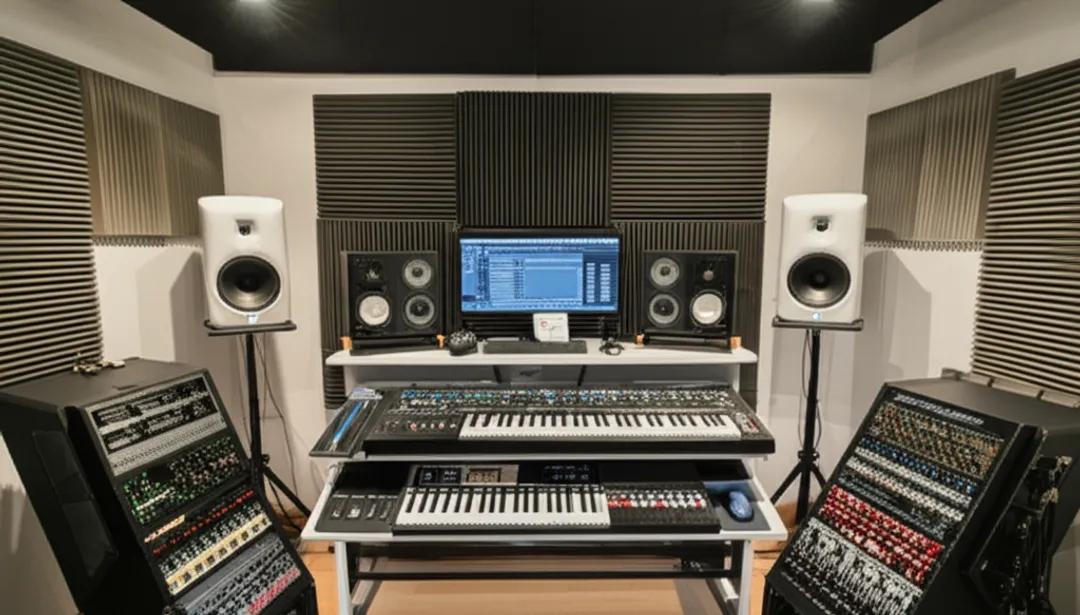
Your home studio is your creative hub. Optimize it by addressing room acoustics — even DIY acoustic panels can dramatically enhance sound quality without breaking the bank.
Invest in essential gear tailored to your workflow, such as a quality audio interface, studio monitors, microphones, and MIDI controllers.
A tidy, well-organized workspace fosters creativity and reduces distractions. Implement cable management and storage solutions for a neat studio.
[
]
6. Audio Mixing and Mastering Skills for Professional Sound
Delivering polished, radio-ready tracks can be the difference between a one-time client and repeat business. Focus on fundamentals of audio mixing: balancing levels, EQ, compression, and spatial effects.
Mastering is the final quality control stage to ensure consistent sound across different playback systems. Get comfortable with tools like iZotope Ozone and Waves plugins.
Freelancers who can confidently offer mixing and mastering services often command higher rates and broaden their service offerings.
7. Music Producers Social Media Strategies to Attract Clients
Social media is a powerhouse for networking and finding clients. Focus efforts on platforms like Instagram, TikTok, and YouTube where music content thrives.
Post engaging content such as beat-making tutorials, behind-the-scenes studio sessions, and client success stories.
Use these channels to build relationships through Q&A, live streams, and interactive stories. Consistent, authentic engagement turns followers into paying clients.
8. Building Client Relationships Music Freelancers Rely On
Great communication skills are essential in freelance music production. Set clear expectations, timelines, and channels for feedback from the start.
Handle revisions professionally by developing a structured feedback loop — this helps speed up the project while pleasing clients.
Focus on client retention by delivering quality work and maintaining contact post-project, which often leads to referrals and long-term contracts.
9. Selling Stock Music Online: Platforms and Best Practices
Stock music sales can generate passive income, making it a vital skill for freelancers. Platforms like AudioJungle, Pond5, and Shutterstock Music are popular marketplaces.
Create tracks that cater to commercial needs: corporate videos, advertisements, or background music for content creators.
Optimize your track metadata with accurate titles, descriptions, and keywords to boost discoverability and sales.
[
]
10. Time Management and Self-Discipline for Freelancers
Balancing creativity with administrative work is challenging. Use productivity tools like Trello or Asana to organize projects and deadlines.
Set realistic, measurable goals to keep progress on track without overwhelming yourself.
Importantly, avoid burnout by scheduling breaks, maintaining a healthy workspace, and separating work time from personal time, even when working from home.
Conclusion
Mastering these 10 skills will empower you as a freelance music producer to make money from home music with confidence and professionalism. Dedicating time to grow both your technical and business acumen positions you for sustainable income and creative satisfaction.
Start today by focusing on the areas most relevant to your current setup, and explore more detailed guides and resources on MyMusicMachine.com to accelerate your freelance music career.
Ready to level up? Subscribe to our newsletter for insider tips, gear reviews, and exclusive offers tailored just for freelance music producers!
References: