From Home Studio to Hired: Crafting an Irresistible Portfolio and Nailing Client Connections
Bridging the Gap from Passion to Profession
The home studio revolution has democratized music production like never before. With affordable equipment and powerful software, creators worldwide are crafting professional-quality audio from their bedrooms, basements, and spare rooms. Yet while the barriers to entry have lowered, the challenge of transforming creative passion into consistent income remains as complex as ever.
Today's independent music creators face a unique paradox: they have access to the same tools as major studios, but struggle to connect with clients who need their services. The difference between hobbyists and profitable professionals isn't just talent—it's the ability to showcase that talent effectively and build meaningful client relationships.
This comprehensive guide will transform your approach to building a home studio business by focusing on two critical pillars: creating an irresistible portfolio that demonstrates your unique value, and mastering the art of client acquisition through strategic networking and outreach.
Building Your Sonic Showcase: Crafting an Irresistible Portfolio
The Core Components of a High-Impact Portfolio
Your portfolio is your digital handshake—often the first impression potential clients have of your capabilities. The most effective freelance music producer portfolio tips start with a fundamental principle: quality trumps quantity every time.
Select 8-12 tracks that represent your absolute best work. Each piece should demonstrate different aspects of your skill set, from intricate beat programming to pristine mixing and mastering. Include diverse genres and styles to show your versatility, but ensure each track maintains professional polish.
The 'Before & After' effect can be particularly powerful for showcasing transformation skills. Include raw stems alongside finished productions, or demonstrate how you've enhanced existing tracks through mixing and mastering. This approach helps potential clients visualize the value you bring to their projects.
Testimonials and case studies add credibility and context. Include quotes from satisfied clients alongside brief explanations of each project's challenges and solutions. For example: "Sarah needed a podcast intro that captured her brand's energy while maintaining broadcast quality. Here's how we achieved that sonic identity..."
Deciding Where to Host Your Portfolio: Best Online Portfolio for Music Producers
Choosing the right platform for your portfolio significantly impacts your professional credibility and client acquisition success. Each option offers distinct advantages for different career stages and target markets.
Dedicated websites using WordPress, Squarespace, or Webflow provide maximum control and customization. These platforms allow you to create a branded experience that reflects your unique style while integrating contact forms, booking systems, and payment processing. The professional appearance signals serious business intentions to potential clients.
Music-specific platforms like SoundCloud, Bandcamp, and Mixcloud excel at reaching music enthusiasts but may limit your appeal to commercial clients. These platforms work best as supplements to a main website rather than primary portfolio locations.
Video platforms such as YouTube and Vimeo prove invaluable for showcasing your creative process. Behind-the-scenes content, studio tours, and production breakdowns help potential clients understand your workflow and personality—crucial factors in hiring decisions.
Creating a professional EPK (Electronic Press Kit) rounds out your portfolio package. This downloadable document should include your bio, services, pricing overview, and contact information in a polished PDF format.
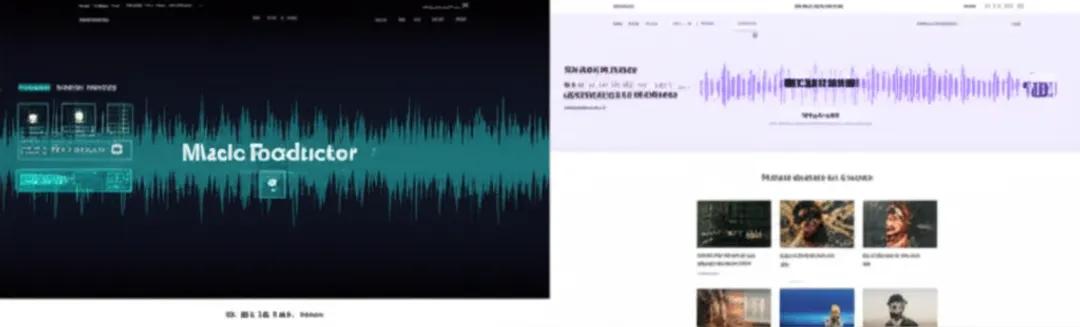
Freelance Music Producer Portfolio Tips for Maximizing Impact
Tailoring your portfolio to specific client niches dramatically increases conversion rates. Create separate sections or even dedicated landing pages for different markets—podcasters, YouTubers, indie artists, or corporate clients each have unique needs and preferences.
Mobile optimization is non-negotiable in today's market. Over 60% of potential clients will first encounter your portfolio on mobile devices. Ensure fast loading times, intuitive navigation, and clear audio playback controls across all devices.
Storytelling with your tracks transforms passive listening into active engagement. For each featured project, include a brief narrative: What was the client's goal? What challenges did you overcome? What specific techniques or equipment contributed to the final result?
Showcase specialized skills prominently. Whether you excel at mixing, mastering, beat-making, sound design, or jingle creation, make these capabilities immediately apparent. Use clear categories and descriptive titles that resonate with your target market.
Regular updates keep your portfolio fresh and relevant. Set a monthly schedule to review and refresh content, removing outdated work and adding recent projects. This consistency demonstrates ongoing activity and professional growth.
Nailing Client Connections: From Cold Outreach to Warm Relationships
Identifying Your Ideal Clients and Market
Successful client acquisition begins with crystal-clear target audience identification. The most effective client outreach strategies music production start with understanding exactly who needs your services and why.
Artists represent the most obvious market but vary dramatically in needs and budgets. Indie artists might need full production services, while established acts may only require mixing or mastering. Podcasters increasingly demand professional audio quality, creating opportunities for intro music, editing, and sound design. YouTubers need consistent, royalty-free music that matches their content style. Filmmakers and game developers require specialized sound design and composition skills.
Research each potential client's specific pain points. New podcasters struggle with audio quality inconsistencies. YouTubers need music that won't trigger copyright strikes. Independent filmmakers require custom scores that enhance emotional impact without breaking budgets.
Create detailed 'ideal client' profiles including budget ranges, project timelines, communication preferences, and decision-making processes. This clarity guides your marketing efforts and helps you speak directly to prospects' needs.
Networking for Independent Music Creators: Where and How to Connect
Online communities offer the most accessible networking opportunities for home studio professionals. Facebook groups like "Music Producers Network" and "Home Studio Collective" provide platforms for sharing work, asking questions, and connecting with potential collaborators and clients.
Professional platforms like LinkedIn, Upwork, Fiverr, and SoundBetter each serve different networking purposes. LinkedIn excels for B2B connections and corporate clients. Upwork and Fiverr provide project-based opportunities but often emphasize price competition. SoundBetter specifically targets music industry professionals and commands higher rates.
Local music scenes shouldn't be overlooked despite your home studio setup. Virtual and in-person meetups, songwriter circles, and industry events provide face-to-face networking opportunities that build stronger relationships than digital-only interactions.
Leveraging existing connections through word-of-mouth remains the most powerful client acquisition method. Every satisfied client becomes a potential referral source when you consistently deliver exceptional results and maintain professional relationships.

Strategic Client Outreach Strategies Music Production
Crafting compelling cold emails requires balancing professionalism with personality. Your subject line must immediately convey value: "Custom podcast intro that matches your brand voice" performs better than "Music production services available."
Personalization is paramount—generic templates get deleted instantly. Reference specific episodes, songs, or projects from the prospect's work. Explain exactly how your services solve their particular challenges. Include a relevant portfolio piece that demonstrates your understanding of their needs.
The art of follow-up involves persistence without pushiness. Send a initial email, follow up after one week with additional value (perhaps a free resource), and make a final contact after another week. Most successful connections happen after multiple touchpoints.
Social media engagement provides warmer lead generation than cold outreach. Comment meaningfully on potential clients' posts, share their content with thoughtful additions, and demonstrate genuine interest in their work before making any sales approach.
How to Get Music Production Clients Beyond Direct Outreach
Content marketing establishes authority and attracts inbound leads. Blog posts about production techniques, tutorial videos, and free resources position you as an expert while demonstrating your capabilities. SEO-optimized content brings qualified prospects directly to your website.
Guest appearances on podcasts or YouTube channels expand your reach to relevant audiences. Offer to discuss production techniques, share your journey, or provide free mixing critiques. These appearances build credibility and often lead to direct client inquiries.
Targeted online advertising through Facebook, Instagram, and Google Ads can effectively reach specific demographics. Target independent artists, podcasters, or small businesses in your geographic area with compelling ad creative showcasing your work.
Partnerships and collaborations with complementary creatives multiply your networking reach. Collaborate with videographers, graphic designers, or marketing consultants who serve similar clients. Cross-referrals benefit everyone involved.
Scaling Your Home Studio Success: Building a Home Studio Business
Pricing Your Services: How to Price Music Production Services Fairly and Competitively
Pricing structures vary significantly based on service type and client needs. Hourly rates work well for mixing and mastering services where time investment is predictable. Project-based fees suit full production work where scope varies dramatically. Package deals attract price-conscious clients while ensuring profitable minimums.
Understanding your value requires honest assessment of your skills, experience, and market positioning. Research competitor pricing but don't undervalue your unique strengths. Factor in equipment costs, software subscriptions, studio rent, and desired profit margins.
Tiered pricing options accommodate different client budgets while maximizing revenue. Offer basic, standard, and premium packages with clear value distinctions. The middle tier should represent your ideal project scope and pricing.
Clear invoicing and payment terms prevent conflicts and ensure timely compensation. Require deposits for larger projects, specify revision limits, and establish payment schedules. Professional contracts protect both parties and set clear expectations.
Effective Client Management and Communication
Setting clear expectations from project initiation prevents misunderstandings and scope creep. Detailed briefs should cover musical style, timeline, revision limits, and deliverable specifications. Written agreements ensure both parties understanding.
Streamlined communication channels using project management tools like Trello, Asana, or specialized platforms like Splice Sounds keep projects organized and clients informed. Regular updates build trust and demonstrate professional workflows.
Managing revisions and feedback professionally separates amateur from professional service providers. Establish revision limits, request specific feedback rather than vague comments, and guide clients through the review process.
Professional contracts and agreements protect your interests while reassuring clients about service quality. Include intellectual property clauses, cancellation policies, and dispute resolution procedures.
Advanced Marketing Strategies for Home Studio Producers
Building a strong personal brand differentiates you from countless other producers. Identify what makes your approach unique—perhaps your background in classical music, your expertise with vintage equipment, or your specialization in specific genres.
SEO optimization for your website and content improves organic discovery. Target keywords like "freelance music producer [your city]" or "podcast intro music production." Create valuable content that ranks well in search results.
Email marketing nurtures leads and maintains client relationships. Send monthly newsletters featuring new work, industry insights, and exclusive offers. Automated sequences can guide prospects through your sales funnel.
Client success stories and testimonials provide social proof that influences purchasing decisions. Document before-and-after examples, collect video testimonials, and showcase measurable results when possible.
Attracting Ideal Audio Production Clients Through Specialization
Finding your niche dramatically improves marketing effectiveness and allows premium pricing. Becoming the go-to expert for podcast production, indie folk artists, or corporate jingles creates clear positioning in prospects' minds.
Developing a unique sonic signature makes your work instantly recognizable. Whether it's a particular mixing style, signature instruments, or production techniques, consistency builds brand recognition.
Showcasing your distinct value proposition clearly communicates why clients should choose you over competitors. This might be your rapid turnaround times, specialized equipment, or unique creative approach.
Securing Consistent Freelance Work and Long-Term Relationships
Client retention costs significantly less than acquisition while generating higher lifetime value. Deliver exceptional results consistently, maintain professional communication, and exceed expectations when possible.
Generating referrals through satisfied clients provides the highest-quality leads. Implement referral programs offering discounts or bonuses for successful client introductions.
Upselling and cross-selling additional services increases project value and strengthens client relationships. Offer mastering services to mixing clients, or suggest ongoing retainer arrangements for regular content creators.
Continuous learning keeps your skills current and competitive. Invest in new equipment, software, and techniques regularly. Share your learning journey with clients to demonstrate ongoing value improvement.
Your Home Studio, Your Empire
Transforming your home studio from passionate hobby into profitable business requires more than technical skills—it demands strategic thinking, professional presentation, and consistent relationship building. The most successful independent creators combine exceptional artistic abilities with sharp business acumen.
Your portfolio serves as your digital storefront, showcasing not just your capabilities but your professionalism and attention to detail. Every element, from track selection to website design, communicates your value proposition to potential clients.
Client connections built through authentic networking, strategic outreach, and consistent value delivery form the foundation of sustainable income. Focus on building relationships rather than just completing transactions, and long-term success naturally follows.
The home studio revolution has created unprecedented opportunities for creative professionals willing to approach their craft as a business. Your unique combination of artistic vision and technical expertise positions you perfectly for this evolving market.
Ready to transform your home studio into a client-attracting machine? Start by auditing your current portfolio using the strategies outlined above. Then, identify three potential clients and craft personalized outreach messages that demonstrate your understanding of their needs.
Subscribe to our newsletter for weekly insights, exclusive resources, and proven strategies that help home studio professionals build thriving businesses. Plus, get our free "Client Acquisition Toolkit" featuring email templates, pricing calculators, and contract templates specifically designed for independent music creators.
Explore our recommended tools and resources for building your home studio business, from website builders to project management platforms. Every recommendation is tested and used by successful independent creators in our community.
Your creative skills deserve professional recognition and fair compensation. Start implementing these strategies today, and watch your passion project evolve into a sustainable income stream that supports your artistic journey for years to come.