Freelance Music Production 101: Your Ultimate Guide to Success from Your Home Studio
The music industry has never been more accessible to independent creators. With nothing more than a computer, some basic gear, and the right knowledge, you can transform your home studio into a thriving freelance music production business. This comprehensive guide will walk you through every step of building a successful career from your creative space.
Your Home Studio, Your Empire
Welcome to the new music economy, where geographic boundaries don't limit your potential clients, and your bedroom can become your boardroom. The barriers to entry in music production have crumbled, thanks to affordable technology and digital platforms that connect creators with clients worldwide.
Freelance music production is more accessible than ever because streaming platforms have democratized music distribution, social media has eliminated traditional gatekeepers, and remote collaboration tools have made distance irrelevant. Whether you're passionate about beatmaking, mixing, mastering, or sound design, there's a market waiting for your unique skills.
Laying the Foundation: Mindset, Niche, and Brand
Cultivating the Freelance Mindset
Success in freelance music production starts with the right mindset. You need discipline to maintain consistent work habits without a traditional office structure, self-motivation to push through creative blocks and business challenges, and a commitment to continuous learning as technology and industry trends evolve.
Treating your art like a business means setting professional boundaries, maintaining regular schedules, and approaching each project with the same dedication you'd give to any serious endeavor. This doesn't mean sacrificing creativity—it means channeling it strategically.
Finding Your Music Production Niche
Defining your unique sound is crucial for standing out in a crowded market. Start by identifying your strengths and passions. Are you drawn to creating hard-hitting trap beats, crafting ambient soundscapes for podcasts, or producing commercial jingles? Your niche could be genre-specific (like lo-fi hip-hop or EDM) or service-specific (like mixing vocals or mastering albums).
Research market demand and competition within your chosen niche. Use tools like Google Trends, analyze successful producers in your space, and join online communities to understand what clients are seeking. The key is finding the sweet spot between what you love creating and what the market needs.
Specializing allows you to become the go-to expert in your field, command higher rates, and build a reputation faster than generalists. However, don't box yourself in too narrowly—maintain some flexibility to adapt as opportunities arise.
Crafting Your Brand Identity
Your brand is how clients perceive and remember you. Develop a unique name and logo that reflects your musical style and personality. Your brand voice should be consistent across all platforms—whether you're professional and polished, edgy and experimental, or warm and approachable.
Consistency across all platforms builds trust and recognition. Use the same color scheme, fonts, and messaging style on your website, social media, and marketing materials.
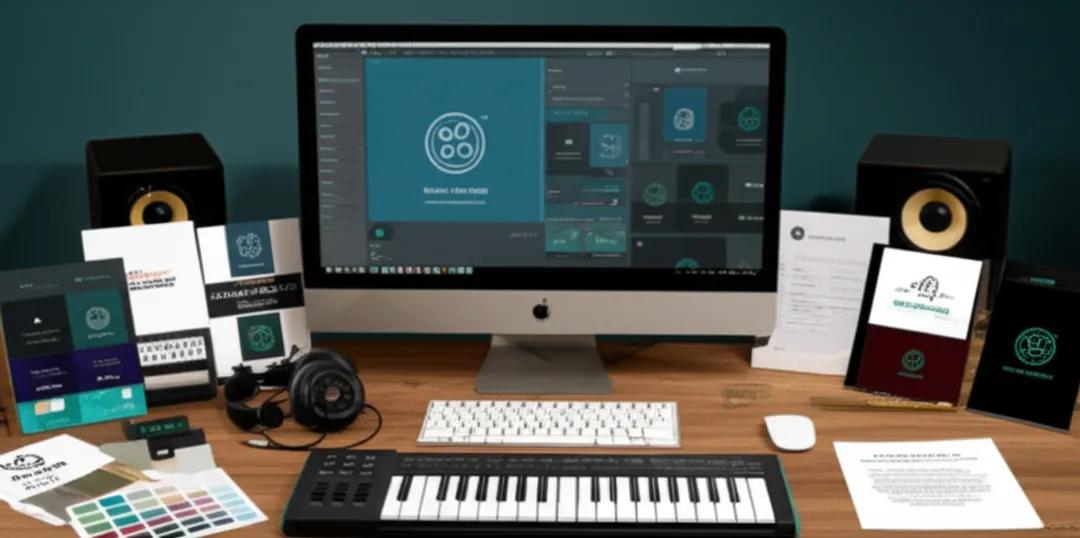
Your Home Studio Command Center: Tools of the Trade
The Essentials: Best Home Studio Setup for Producers
Building an effective home studio doesn't require breaking the bank. Start with these core components:
Digital Audio Workstations (DAWs) are your primary creative tools. Logic Pro offers excellent built-in instruments and samples, Ableton Live excels at electronic music and live performance, FL Studio provides lifetime free updates and strong beat-making capabilities, Pro Tools remains the industry standard for professional mixing, and Reaper offers professional features at a budget-friendly price.
Audio Interface serves as the bridge between your analog gear and digital world. Look for interfaces with clean preamps, low latency, and enough inputs for your current and future needs.
Microphones are essential for recording vocals, instruments, and room sounds. A versatile large-diaphragm condenser microphone can handle most recording tasks, while dynamic microphones excel at capturing loud sources without distortion.
Studio Monitors and Headphones provide accurate sound reproduction for mixing decisions. Near-field monitors are ideal for small rooms, while quality reference headphones offer detailed listening for late-night sessions.
MIDI Controllers and Instruments make music creation more intuitive and expressive. A quality MIDI keyboard with velocity sensitivity and assignable knobs can dramatically improve your workflow.
Software, Plugins, and Samples: Expanding Your Sonic Palette
Virtual instruments and effects expand your creative possibilities without the cost and space requirements of hardware. Focus on high-quality plugins that complement your niche—whether that's vintage analog emulations, modern digital processors, or hybrid combinations.
Mixing and mastering plugins are essential for professional-sounding results. Invest in quality EQ, compression, reverb, and delay plugins that you'll use on every project. Many successful producers build their signature sound around a core set of trusted plugins.
Sample packs and loop libraries can inspire new ideas and speed up your workflow. However, learn to manipulate and transform samples to create unique sounds rather than relying on them as-is.
Acoustic Treatment: Optimizing Your Sound Environment
Understanding room acoustics is crucial for making accurate mixing decisions. Even expensive monitors sound terrible in an untreated room with poor acoustics.
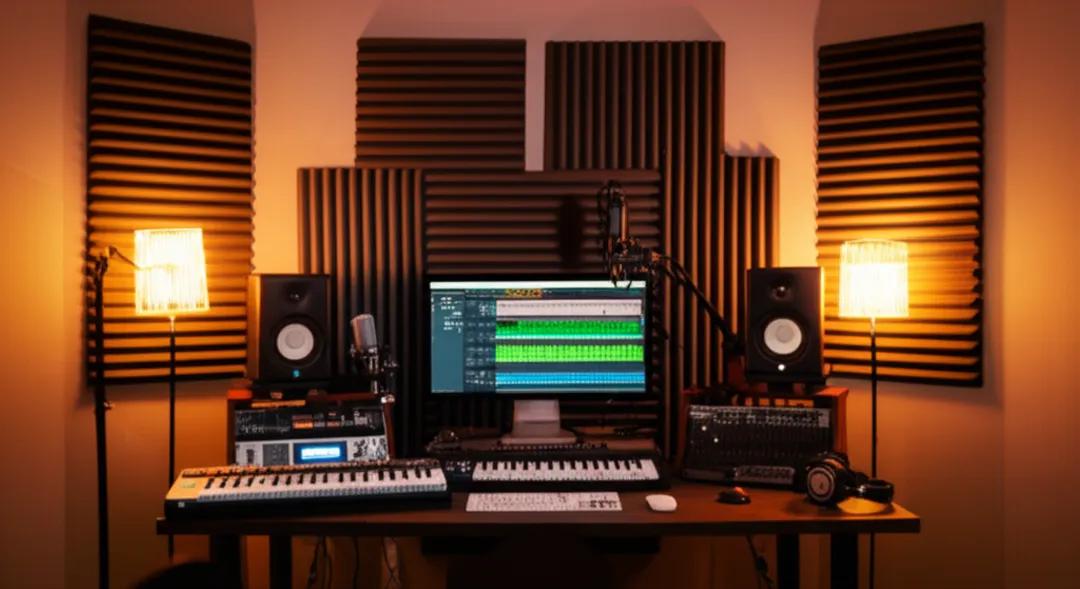
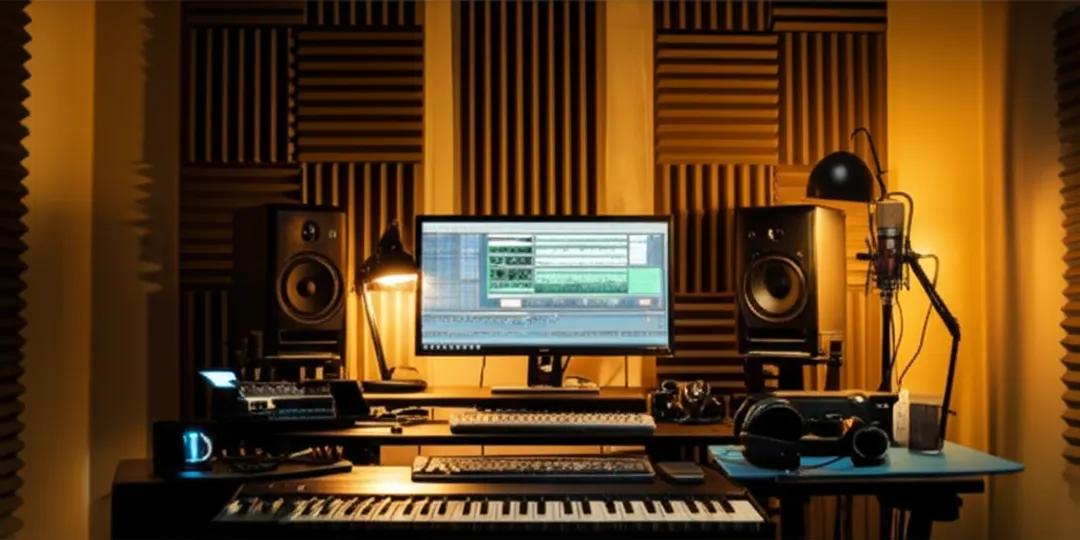
Budget-friendly treatment options include acoustic foam for reducing reflections, bass traps for controlling low-frequency buildup, and diffusers for maintaining some natural ambiance. Focus on treating first reflection points and corners where bass frequencies accumulate.
Essential Music Production Skills to Master
Core Production Techniques
Composition and Arranging transform musical ideas into complete songs. Study song structures in your genre, learn to create compelling chord progressions, and develop your ability to arrange instruments for maximum impact.
Sound Design and Synthesis allow you to create unique sounds that set your productions apart. Understanding how synthesizers work—from oscillators to filters to envelopes—opens up endless creative possibilities.
Recording Techniques ensure you capture quality audio from the start. Learn proper microphone placement, gain staging, and recording chain optimization to minimize problems during mixing.
Editing involves timing corrections, pitch adjustments, and noise reduction. Modern DAWs offer powerful editing tools, but knowing when and how to use them tastefully is key.
The Art of Mixing
Mixing is where individual tracks become a cohesive whole. Understanding levels, panning, and EQ helps you create space and clarity in your mixes. Each instrument should have its own sonic space without conflicting with others.
Compression and dynamics processing control the dynamic range of your mix, ensuring consistent levels and adding character to individual tracks. Learn to use compression creatively, not just as a technical tool.
Effects processing adds dimension and interest to your mixes. Reverb creates space and depth, delay adds rhythmic interest, and modulation effects like chorus and phaser can add movement and character.
The Science of Mastering
Mastering is the final step that prepares your mix for distribution. Focus on loudness standards for different platforms, maintaining dynamic range while achieving competitive levels, and ensuring frequency balance across the entire spectrum.
Mastering tools include limiters for controlling peaks, multiband compressors for frequency-specific dynamics processing, and various analytical plugins for visual feedback.
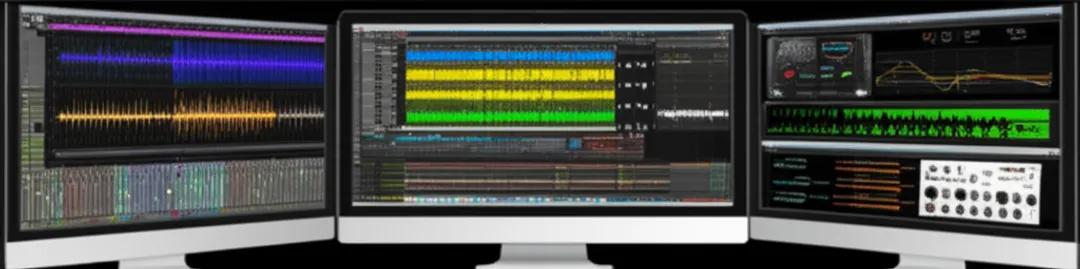
Building an Online Presence as a Producer
Your Professional Website/Portfolio
Your website serves as your digital storefront and should include high-quality demos showcasing your range, clear service descriptions with pricing information, and easy-to-find contact information. Include case studies and testimonials from satisfied clients to build credibility.
Ensure your website is mobile-responsive and loads quickly. Many potential clients will discover you through mobile devices, so the mobile experience is crucial.
Leveraging Social Media for Producers
Different platforms serve different purposes for music producers. Instagram excels at visual storytelling—share behind-the-scenes content, studio photos, and short video clips. YouTube is perfect for tutorials, producer breakdowns, and longer-form content that demonstrates your expertise. TikTok can help you reach younger audiences with quick production tips and beat previews. LinkedIn connects you with industry professionals and potential business clients.
Develop a content strategy that balances educational content, entertainment, and promotional material. Share your creative process, offer production tips, showcase client work, and engage with your community regularly.
Online Music Platforms and Marketplaces
SoundCloud, Bandcamp, and Audiomack provide platforms for sharing your music and connecting with listeners. These platforms can help you build a fanbase and attract potential clients who discover your work organically.
Beat selling platforms like BeatStars and Airbit offer ready-made marketplaces for selling instrumental tracks. While competition is fierce, these platforms can provide passive income if you consistently upload quality beats.
Freelance marketplaces like Upwork and Fiverr can provide initial clients, but be aware of the race-to-the-bottom pricing and the challenge of standing out among thousands of other producers.
Attracting & Managing Clients: From Lead to Long-Term Relationship
Client Acquisition for Freelance Producers
Networking remains one of the most effective ways to find clients. Join online forums related to your niche, participate in local music scenes, and attend industry events when possible. Building genuine relationships leads to referrals and repeat business.
Cold outreach can be effective when done thoughtfully. Research potential clients thoroughly, personalize your approach, and focus on how you can solve their specific problems rather than just listing your services.
Content marketing demonstrates your expertise and attracts clients organically. Write blog posts about production techniques, create tutorial videos, and offer free samples or presets to build your email list.
Effective Marketing Strategies for Music Producers
SEO optimization for your website and YouTube channel helps potential clients find you through search engines. Research keywords your target clients use and create content around those topics.
Targeted advertising through social media platforms can efficiently reach your ideal clients. Start with small budgets and test different audiences and messages to find what works.
Collaborations with artists, filmmakers, and podcasters can expand your network and showcase your versatility. These partnerships often lead to paid opportunities and valuable testimonials.
Pricing Music Production Services
Pricing strategies vary based on your experience, niche, and local market conditions. Hourly rates work well for services like mixing and mastering where time investment is predictable. Project-based fees are better for creative services like beat production or composition where the time investment varies.
Value-based pricing considers the value you provide to clients rather than just your time. A commercial jingle that helps a business increase sales is worth more than the hours spent creating it.
Tiered service packages allow clients to choose options that fit their budget while encouraging upgrades to higher-value services.
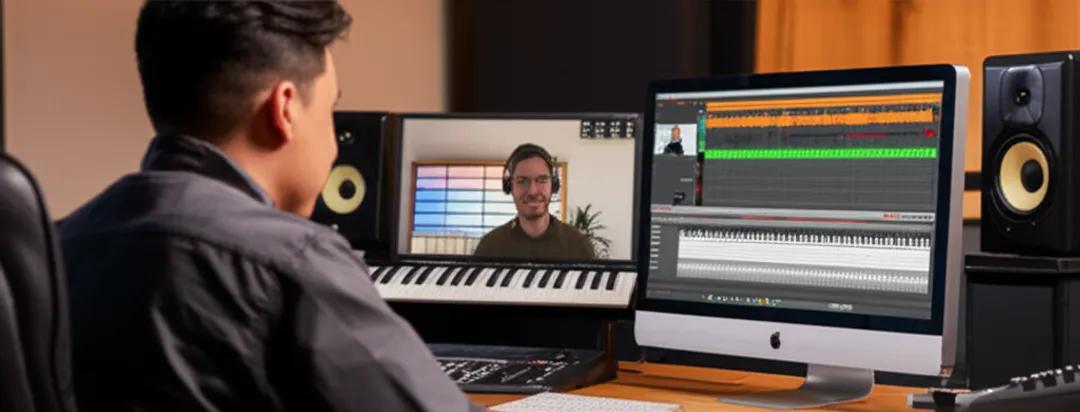
Monetizing Home Studio Music Production
Direct Client Work
Direct client services form the foundation of most freelance music production businesses. Mixing services help artists achieve professional-sounding recordings, mastering ensures music translates well across different playback systems, beatmaking provides instrumental tracks for artists, songwriting creates complete compositions, and ghost production allows you to create music for others to release under their name.
Selling Beats, Samples, and Presets
Creating and selling beats, samples, and presets can provide passive income streams. Platforms like AudioJungle and Pond5 offer established marketplaces for selling your creative work. Focus on creating high-quality, unique content that stands out from the competition.
Music Licensing for Film, TV, and Commercials
Music licensing can be highly lucrative, with sync placements in commercials, films, and TV shows paying substantial fees. Services like Musicbed and Artlist connect composers with content creators seeking original music.
Stock Music and Sound Effects Libraries
Stock music libraries provide another revenue stream for producers. Platforms like Storyblocks offer opportunities to license your music for various media projects. The key is creating versatile, high-quality tracks that serve multiple purposes.
Teaching and Tutorials
Sharing your knowledge through online courses, YouTube tutorials, or Patreon subscriptions can generate significant income while establishing you as an expert in your field. Many successful producers earn more from teaching than from production work.
Sustaining Your Success: Business Acumen and Growth
Legal Aspects of Freelance Music Business
Contracts and agreements protect both you and your clients. Always use written contracts that specify deliverables, timelines, payment terms, and revision policies. Understand copyright law and how it applies to your work—you typically retain copyright unless you specifically transfer it.
Develop clear invoicing and payment terms. Require deposits on larger projects and specify late payment penalties. Consider using services like PayPal or Stripe for secure payment processing.
Financial Management
Proper financial management ensures long-term success. Track income and expenses carefully, set aside money for taxes, and reinvest profits in better equipment, software, or marketing. Consider working with an accountant who understands creative businesses.
Continuous Learning and Adaptation
The music industry evolves rapidly, so staying current with technology and trends is essential. Subscribe to industry publications, attend webinars, and continuously expand your skillset. Learning complementary skills like video editing or web design can open new revenue streams.
Avoiding Burnout
Maintaining work-life balance prevents burnout and sustains long-term creativity. Set regular hours, take breaks, and maintain interests outside of music. Remember that taking care of yourself is essential for taking care of your business.
Your Journey to Freelance Music Production Success
Building a successful freelance music production business from your home studio requires dedication, strategic thinking, and continuous learning. The key takeaways from this guide include:
- Develop a clear niche and brand identity
- Invest in quality equipment and skills development
- Build a strong online presence across multiple platforms
- Focus on client relationships and professional communication
- Diversify your income streams
- Treat your creative work as a serious business
The power of persistence and passion cannot be overstated. Success rarely happens overnight, but with consistent effort and smart strategies, you can build a thriving career doing what you love.
Your next steps involve creating an actionable plan based on this guide. Start with one area—perhaps building your online presence or defining your niche—and gradually expand your efforts. Remember, every successful producer started exactly where you are now.
Ready to take your music production career to the next level? Join our email list for exclusive tips, gear reviews, and industry insights delivered directly to your inbox. Plus, get our free "Home Studio Setup Checklist" to ensure you have everything you need to start your freelance journey.